Source Ce Dot Modular Motocross Helmet for Racing, Trail, and Commuting
Source a ce dot modular motocross helmet from 30 verified listings. Compare ABS shells, EPS liners, and DOT/CE certifications. Evaluate sizes, visor options, and custom branding to find the right fit for your wholesale needs; compare the available evidence and request quotations based on your requirements.
Key considerations
Products List




Comprehensive Sourcing Guide
CE DOT Modular Motocross Helmet Sourcing Guide
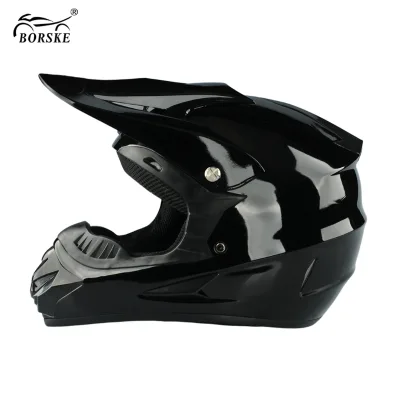
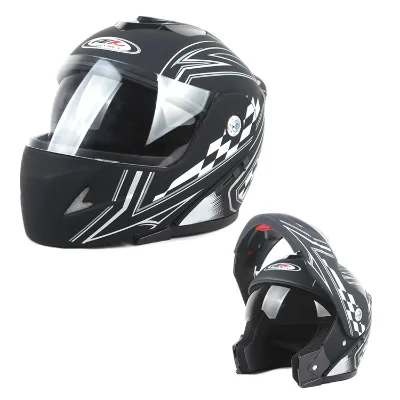
Buyers seeking modular motocross helmets must first distinguish between full-face and off-road specific designs, as the supplied data indicates a market split between these distinct categories. While some listings explicitly label products as "Off-road Helmet" or "Full Face Helmet," the modular configuration requires careful verification of the chin bar mechanism to ensure it meets the specific demands of motocross riding versus street use. The observed product attributes highlight a prevalence of ABS shells with EPS inner linings, which form the foundational safety structure for these protective gear items.
Procurement teams should scrutinize the "Shape" and "Applicable Head Circumference" data points, as the listings show variations ranging from "Long Oval" to "Round Oval" and head sizes from 580mm to 600mm. Selecting the correct fit is critical for safety, as a mismatched shape can compromise the helmet's ability to absorb impact energy effectively. Buyers must cross-reference the specific model numbers, such as BSK-00421 or YH-D216, against their target demographic's head measurements to avoid inventory mismatches that could lead to returns or safety liabilities.
Product Scope and Observed Listing Signals
The current market signals reveal a diverse range of helmet types, including specific mentions of "Riding Helmet" and "Motorcycle" usage, alongside detailed material compositions like ABS and ABS+EPS. The observed price range of 3.3 to 74.7 USD suggests significant variance in quality and feature sets, necessitating a clear definition of the required product tier before engaging with suppliers. Buyers should note that while some listings offer "Customized Design" and "Decal" options, others focus on standard colors like Black or White, which impacts the customization strategy for private label projects.
Inventory planning must account for the wide range of Minimum Order Quantities (MOQ) observed, which span from 10 to 600 pieces, with specific instances of 200, 500, and 600 units. This variability allows for flexible entry strategies but requires precise forecasting to align with supplier constraints. The packaging data, indicating units like "Velent Bag and Color Box" with 6 pieces per carton, provides essential logistics data for calculating shipping volumes and storage requirements, ensuring that the commercial terms align with the buyer's distribution capabilities.
Technical Specifications to Verify
Verification of the shell material and liner composition is paramount, as the data confirms the use of ABS plastic and EPS foam, which are industry standards for impact absorption. Buyers must confirm that the specific model under consideration utilizes a dual-density EPS liner or a "Moveable" liner system to ensure optimal energy management during a crash. The buckle types listed, including "D-Ring," "Quick Release," and "Double D Ring," represent different retention systems that must be matched to the intended riding style and safety regulations of the target market.
Visor and ventilation specifications also require rigorous checking, as the listings mention "Single & Double Visor" options and "Transparent" mask colors. The presence of "Crystal Velvet" or "Velvet" liners indicates comfort features that should be validated for breathability and moisture-wicking properties in high-temperature environments. Additionally, the "Shape" of the helmet, whether "Long Oval" or "Round Oval," must be physically inspected to ensure it accommodates the specific head shapes of the end-users, preventing pressure points that could lead to discomfort or premature removal of the gear.
Compliance and Safety Documentation
Safety compliance is a non-negotiable aspect of sourcing, with the data explicitly listing certifications such as DOT, CE, ECE, EEC, and ISODOT. Buyers must demand valid certification documents for the specific model number being purchased, as the presence of a certification label does not guarantee that every unit in a production run meets the standard. The variation in listed certifications, such as "ECE,ISODOT" versus "DOT" alone, indicates that different models may be certified for different regional markets, requiring careful selection based on the destination country's legal requirements.
Documentation verification should extend beyond the certificate itself to include test reports that validate the helmet's performance against the stated standards. The claim that the product "Meet International Standard" is a general attribute that must be substantiated by third-party laboratory results for the specific batch. Procurement teams should ensure that the supplier can provide traceability for the EPS liner and ABS shell materials, confirming that the raw materials used in production are consistent with the safety claims made in the product listing.
Cost Drivers and Commercial Terms
Pricing in this category is heavily influenced by the complexity of the modular mechanism and the quality of the certification obtained. The observed price range suggests that lower-cost items may lack advanced features like double visors or premium liners, while higher-priced models likely include comprehensive safety certifications and custom graphic capabilities. Buyers must analyze the cost per unit relative to the MOQ, as the data shows significant differences between suppliers offering 10-piece orders versus those requiring 600-piece commitments.
Commercial terms regarding customization and branding are critical cost drivers, with listings offering "OEM: Custom Service" and "Customized" decals. The ability to apply custom graphics or designs often incurs additional setup fees and may increase the lead time, which must be factored into the total landed cost calculation. Additionally, the packaging specifications, such as the "Color Box" and carton quantities, affect shipping efficiency and should be negotiated to minimize freight costs while ensuring the product arrives in pristine condition.
Supplier Qualification and Quality Control
Supplier qualification requires a deep dive into the manufacturing location and production capacity, as the data points to origins in Zhejiang and Ningbo, China. These regions are known for helmet manufacturing, but buyers must verify the specific factory's quality control processes to ensure consistency across batches. The presence of "Customization: Available" suggests that the supplier has the flexibility to handle bespoke orders, but this capability must be backed by a robust quality assurance protocol to prevent defects in custom-colored or branded units.
Quality control checks should focus on the integrity of the chin bar mechanism in modular helmets, as this is a common failure point. Buyers should request pre-shipment inspections that specifically test the locking mechanism of the chin bar and the stability of the visor attachment. The warranty period of "12 months" mentioned in the data provides a baseline for supplier accountability, but it should be complemented by a clear defect rate threshold and a process for handling returns or replacements for non-conforming goods.
Long-Term Procurement Checks
Establishing a long-term partnership requires regular audits of the supplier's ability to maintain certification compliance and material consistency over time. The market dynamics for motorcycle helmets are subject to regulatory changes, and suppliers must demonstrate an ability to adapt their production lines to meet new safety standards without disrupting the supply chain. Buyers should schedule periodic reviews of the supplier's quality metrics, including defect rates and response times to quality issues, to ensure the partnership remains viable.
Inventory management strategies should account for the varying lead times and MOQs observed in the market to prevent stockouts or overstock situations. The "Selling Units" being listed as "Single item" suggests that the supplier is prepared for retail distribution, but buyers must ensure that the packaging and labeling remain consistent with their brand requirements over multiple production cycles. Continuous communication regarding design updates, such as new "Graphic" options or "Color" variations, will help maintain product relevance and customer satisfaction in a competitive market.
FAQs
What certifications do these ce dot modular motocross helmets carry?
These helmets are offered with CE, ECE, DOT, and EEC certification options, and some listings reference ISODOT compliance. Certification coverage varies by model, so buyers should confirm the exact certificate applicable to the selected model before ordering. Requesting copies of current test documentation is recommended when helmets are intended for regulated road-use markets.
Which sizes are available for the modular motocross helmets?
Available sizes include S, M, L, and XL on the BORSKE BSK-00421 model, while other listings extend the range from XS through XXL, XXXL, or up to XXXXXL. Sizing typically corresponds to head circumference, with one model suited to 580-600mm. Confirm the size chart per model before placing a bulk order.
What materials are used in the helmet shell and inner lining?
The shells are made from ABS, with combined ABS plus EPS construction providing impact absorption beneath the outer layer. Inner linings use EPS padding with comfort options such as crystal velvet or velvet, and some models offer moveable liners. These materials are standard for off-road and full-face motorcycle helmets in this category.
Can I order customized graphics, colors, or decals for these helmets?
Yes, customization is available. Buyers can request customized colors such as black, matt black, white, or their own designs, along with customized or existing graphics and decals. OEM service is offered on applicable models. Customization usually applies above the stated MOQ, so discuss artwork files and approval samples with suppliers before production.
What is the minimum order quantity for these helmets?
Observed MOQs vary by listing, with values including 200, 500, and 600 pieces. One BORSKE model lists a 500-piece MOQ. Lower quantities may be negotiable for stock colors or trial orders, while customized designs typically require the full stated MOQ. Confirm the exact MOQ per model with the supplier before requesting quotations.
Where are these helmets manufactured and how are they packaged?
The helmets originate from Zhejiang, China, with some listings specifying Ningbo as the origin point. Packaging options include a vented bag with a color box, packed 6 pieces per carton, and other listings specify color box packing. Ask suppliers to confirm carton dimensions, gross weight, and container loading quantities when calculating freight costs.
Which helmet types and visor options are offered in this range?
The range covers off-road motocross helmets and full-face helmet models. Visor configurations include single and double visor options, with transparent mask color on applicable models. Buckle choices include D-ring and quick-release, and some models offer both double D-ring and quick-release. Select the combination that matches your target market's riding preferences and regulations.
What warranty and quality assurances come with these helmets?
Listed products carry a 12-month warranty and are described as meeting international standards. Warranty terms may cover manufacturing defects rather than crash damage, so review conditions with each supplier. For wholesale purchases, request pre-shipment inspection and verify certification documents match the shipped batch before releasing final payment.